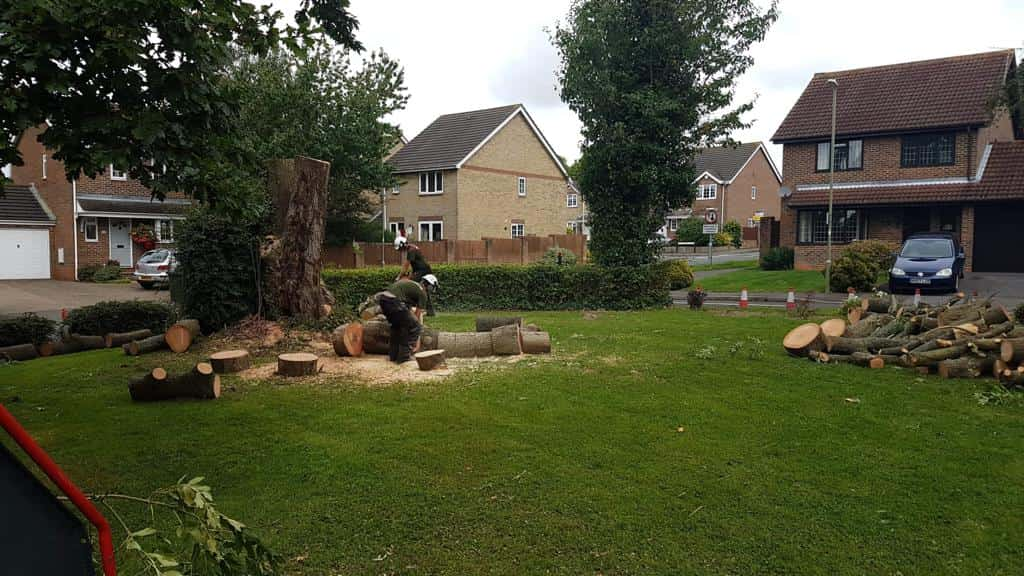
Healthy trees contribute to the appearance, character and natural environment of a property. However, trees can develop health problems over time due to disease, pests, environmental stress or damage to their roots and branches. Recognising these issues early can help property owners make informed decisions about tree care and reduce the risk of further deterioration.
For homeowners and landowners in Dursley, Gloucestershire, regular observation is a useful way to identify changes in a tree’s condition. EM Tree Surgery Dursley provides professional tree care services to help assess tree health, manage damaged growth and determine when specialist intervention may be appropriate.
Recognising the Signs of Poor Tree Health
Trees do not always show obvious signs of decline immediately. Some problems develop gradually, while others can cause noticeable changes following periods of severe weather or environmental stress. Paying attention to a tree’s leaves, branches, trunk and surrounding ground can help identify potential concerns.
Discoloured or Falling Leaves
Leaves that turn yellow, brown or develop unusual spots outside their normal seasonal cycle may indicate stress. Possible causes include insufficient water, waterlogged soil, nutrient deficiencies, pests or disease.
Premature leaf loss can also be a warning sign, particularly when it affects one part of the canopy or occurs repeatedly. While some changes are seasonal and harmless, persistent or unusual symptoms may warrant a closer assessment.
Dead, Dying or Damaged Branches
Dead branches can occur naturally as trees age, but a sudden increase in deadwood may indicate a health problem. Look for bare sections of the canopy, brittle branches, damaged limbs or areas where leaves fail to develop during the growing season.
Dead or weakened branches may also fall unexpectedly, especially during strong winds. Professional tree surgery can help identify hazardous growth and determine whether selective pruning or other work is appropriate.
Cracks, Cavities and Changes to the Trunk
The trunk provides structural support, so visible changes deserve attention. Deep cracks, cavities, damaged bark, unusual swelling or areas of decay may indicate an underlying problem.
Fungal growth around the trunk or near the base can sometimes be associated with wood decay, although identifying the significance of a fungus requires professional judgement. Not every cavity or patch of damaged bark means a tree must be removed, but these signs should be assessed when accompanied by other symptoms.
Fungal Growth and Pest Activity
Fungi, insects and other organisms can affect tree health in different ways. Some are harmless, while others may contribute to leaf damage, weakened branches or decay within the wood.
Watch for unusual growths on the trunk, clusters of fungi near the base, holes in the bark, damaged leaves or signs of repeated insect activity. A professional assessment can help distinguish between normal biological activity and symptoms that require intervention.
Common Causes of Tree Health Problems
Understanding what may be affecting a tree helps determine the most suitable response.
Tree Diseases
Fungal and bacterial diseases can affect leaves, bark, branches and roots. Symptoms vary depending on the tree species and the problem involved, but may include leaf spots, cankers, dieback and progressive loss of vigour.
Accurate identification is important because different diseases require different management approaches. Unnecessary pruning may not resolve the problem and could place additional stress on an already weakened tree.
Root Damage and Poor Soil Conditions
Roots provide water, nutrients and stability. Construction work, soil compaction, damaged roots and changes in drainage can interfere with these functions.
Trees affected by root problems may show thinning foliage, reduced growth or branch dieback. In some cases, changes in the ground around the base or a noticeable lean may also require investigation. Avoid disturbing roots yourself, as further damage can make the situation worse.
Environmental Stress
Prolonged dry periods, waterlogged ground, strong winds and changes in the surrounding environment can all affect tree health. Trees under stress may become more vulnerable to pests and disease or struggle to maintain healthy foliage.
Providing suitable growing conditions and avoiding unnecessary damage to the root zone can support long-term health. Where symptoms persist, professional advice can help identify whether the cause is environmental or related to another problem.
When Should You Seek Professional Tree Surgery?
Some minor changes can be monitored, but others should be assessed promptly. Consider arranging professional advice if you notice:
- Large dead branches or limbs that appear unstable.
- Significant cracks in the trunk or major limbs.
- Fungal growth accompanied by other signs of deterioration.
- A sudden decline in foliage or widespread branch dieback.
- Exposed, damaged or disturbed roots.
- A tree that has developed a new or increasing lean.
- Branches interfering with buildings, access routes or frequently used areas.
If a tree or branch appears unstable, keep people away from the affected area and avoid attempting to cut or climb it yourself. A qualified tree professional can assess the condition and recommend appropriate action.
How Professional Tree Surgery Can Help
Tree surgery is not simply about removing branches. The right work depends on the tree’s species, condition, location and the cause of the problem.
Selective pruning can remove dead, damaged or poorly positioned branches where appropriate. Crown reduction may help manage the size and spread of a suitable tree, while other forms of maintenance can address specific structural or access concerns. In cases of serious decline, a professional assessment can help establish whether remedial work is realistic or whether removal should be considered.
EM Tree Surgery Dursley can help property owners in Dursley, Gloucestershire, assess tree health concerns and identify suitable tree care options. Addressing problems early may help preserve a tree where possible and manage potential hazards before they become more serious.
Conclusion
Common tree health problems include discoloured foliage, dead branches, trunk damage, fungal growth, pest activity and root-related stress. Although some symptoms are part of normal growth or seasonal change, persistent deterioration or signs of instability should not be ignored.
Regular observation and timely professional advice can help protect trees and maintain a safer outdoor environment. If you have concerns about a tree on your property, contact EM Tree Surgery Dursley to discuss your tree care needs in Dursley, Gloucestershire, and arrange a professional assessment.
Call us on: 01453 708 172
Click here to find out more about EM Tree Surgery Dursley
Click here to complete our contact form and see how we can help with your tree needs.